Truths That Set You Free
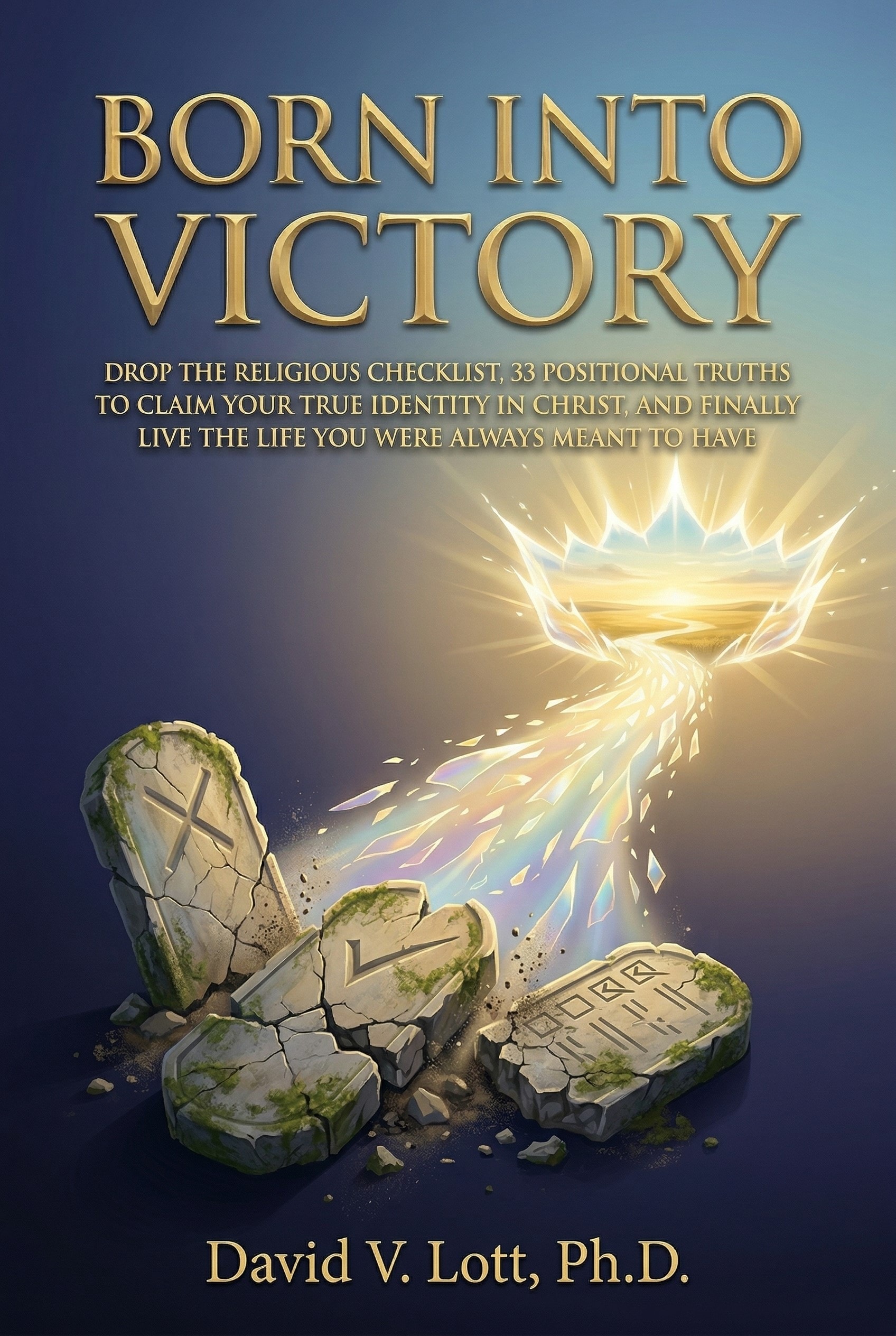
Born Into Victory
Drop the Religious Checklist, 33 Positional Truths to Claim Your True Identity in Christ, and Finally Live the Life You Were Always Meant to Have
Many Christians understand that salvation is received by grace, yet quietly approach the Christian life as though God’s continuing acceptance depends upon how successfully they perform. A good week produces confidence; failure produces uncertainty. Bible reading, prayer, church attendance, service, and obedience can gradually become items on a religious checklist by which believers measure whether they are doing well enough for God.
Born Into Victory begins somewhere entirely different. Before asking what the Christian must do, it examines what God declares the believer already is because of his position in Jesus Christ. Through thirty-three positional truths drawn from Scripture, the book explores the new identity established at salvation and the difference that identity makes when believers begin living from what God has already accomplished rather than continually trying to earn what He has already given.
The Starting Point
Before Asking What You Should Do, Understand Who You Already Are
Much Christian teaching understandably concentrates upon conduct. Believers are encouraged to pray, study Scripture, resist temptation, serve others, love their neighbors, participate in the life of the church, and grow toward spiritual maturity. All of these things matter.
The difficulty arises when Christian practice becomes detached from Christian position. When believers do not understand what God has already made true of them in Christ, obedience can become an attempt to establish an identity rather than the expression of an identity already received.
The New Testament repeatedly reverses that order. Paul first tells believers what God has done for them and who they have become in Christ, and then calls them to live consistently with that reality. Identity precedes conduct. Position provides the foundation for practice.
Born Into Victory therefore does not begin with another list of things Christians must accomplish. It begins with the declarations of God.
Christian living is not the attempt to become who God wants us to be. It is increasingly learning to live as the people God has already made us in Christ.
Understanding the Language
Truth That Does Not Rise and Fall With Today’s Performance
A positional truth describes something God declares to be true of the believer because of his relationship to Jesus Christ. It does not depend upon mood, circumstances, spiritual maturity, recent success, or recent failure. Its foundation is not the believer’s performance but God’s action.
A Christian may not always feel justified, accepted, forgiven, reconciled, adopted, or secure. Experience can fluctuate dramatically. Scripture nevertheless grounds these realities in Christ rather than in the believer’s changing emotional or spiritual condition.
This distinction between position and condition is essential. Our condition describes the changing quality of our daily walk. Some days our conduct reflects our identity in Christ more clearly than others. Our position describes the standing God has established through Christ.
Growth occurs as the believer’s changing condition increasingly comes into alignment with his unchanging position.
The New Birth
Salvation Is More Than the Forgiveness of the Past
Forgiveness is an extraordinary part of salvation, but the New Testament describes something even larger. The person who believes in Christ is born again, made alive, placed into Christ, indwelt by the Holy Spirit, adopted into God’s family, and given a new relationship to God that did not previously exist.
This is why the language of birth is so important. Birth establishes identity before the newborn has accomplished anything. A child does not perform in order to enter the family and then continually prove that he deserves to remain there. Life and relationship precede performance.
In the same way, Christian growth begins from life already received. The believer does not work toward becoming God’s child. He learns to live as God’s child because through Christ that relationship has already been established.
The title Born Into Victory grows from this reality. Victory is not merely a future achievement waiting at the end of successful Christian performance. The believer enters the Christian life already identified with the victorious Christ.
Who God Says You Are
Thirty-Three Realities That Belong to the Believer in Christ
Scripture describes salvation through a remarkable variety of terms. No single word exhausts what God accomplishes when a person believes in Jesus Christ. Taken together, these truths reveal the breadth of the believer’s new position.
Born Into Victory organizes that biblical testimony around thirty-three positional truths. Each truth contributes another dimension to the same reality: salvation does not merely alter the believer’s eventual destination; it establishes an entirely new relationship with God and a new identity in Christ.
Made New
Salvation introduces a new reality. The believer has moved from death to life and now possesses an identity that cannot be adequately explained by reference to what he was before Christ. The book’s positional truths in this group concern new life, new creation, regeneration, and identification with Christ.
Accepted by God
The believer’s standing before God is established by Christ rather than maintained by personal performance. These truths—concerning justification, forgiveness, reconciliation, redemption, and acceptance—answer the persistent fear that acceptance must continually be earned again.
United with Christ
Christianity is more than following the teaching of Christ from a distance. The New Testament describes believers as being in Christ, sharing in the consequences of His death and resurrection and participating in a new corporate identity as members of His body. These truths concern union with Christ, the indwelling Spirit, and membership in His body.
Secure for the Future
Salvation establishes not only a new present but a secure future. The God who begins the believer’s life in Christ also establishes the inheritance and destiny toward which that life is moving. These truths concern adoption, inheritance, citizenship, sealing by the Spirit, security, and the believer’s future with Christ.
Living from What Is True
Positional Truth Is Not Passive Theology
Understanding positional truth does not make Christian obedience less important. It makes obedience intelligible.
If I have died with Christ, Sin no longer possesses the same claim upon me. If I have been adopted, I can approach God as Father. If I have been forgiven, I do not need to live beneath condemnation for sins God has already addressed. If I am indwelt by the Holy Spirit, I am not left to produce Christian character through unaided human effort. If I belong to the body of Christ, isolation is inconsistent with my new identity.
The indicatives of Scripture therefore become the foundation for its imperatives. God tells us what He has done before instructing us how to respond.
This is not a formula for effortless Christianity. Growth still involves obedience, discipline, correction, perseverance, and the renewing of the mind. But those activities now occur within a relationship already established by grace.
We do not obey so that God will place us in Christ. We obey because God has placed us in Christ.
From Performance to Grace
When Spiritual Disciplines Become Measurements of Worth
Prayer, Bible study, worship, generosity, fellowship, service, and obedience are essential dimensions of Christian discipleship. The problem begins when these good practices quietly become measurements of our standing before God.
A believer who approaches God through the checklist can experience a continual cycle. Successful performance produces temporary confidence. Failure produces guilt and insecurity. Renewed effort restores confidence until another failure begins the process again.
Grace interrupts that cycle by relocating the foundation of acceptance. Spiritual disciplines are not payments made toward God’s continuing approval. They are ways of living and growing within a relationship God has already established through Christ.
The difference is profound. The checklist asks, “Have I done enough to remain acceptable?” Positional truth asks, “Because God has accepted me in Christ, how should I now live?”
When Practice Falls Short of Position
Learning to Interpret Failure Correctly
Christians fail. Positional truth does not require us to deny that reality, minimize sin, or pretend that conduct has no consequences. Scripture calls believers to confession, correction, restoration, and growth precisely because Christian conduct matters.
What failure cannot do is acquire the authority to redefine what God has established in Christ.
When believers interpret themselves primarily through recent performance, failure can become an identity statement: I failed, therefore I am a failure; I sinned, therefore God must have rejected me; I struggled, therefore perhaps nothing really changed.
Scripture teaches the believer to reason in the opposite direction. Because I belong to Christ, my failure is inconsistent with who I now am. I can therefore acknowledge it honestly, confess it without hiding, receive correction, and move forward without rebuilding my relationship with God from the beginning.
Security does not make repentance unnecessary. Security makes honest repentance possible without despair.
Identity That Endures
What God Creates in Christ Is Not a Temporary Identity
The believer’s position in Christ also provides an important foundation for understanding eternal security. If salvation were merely the forgiveness of a collection of past sins, it might be easier to imagine it as something repeatedly gained and lost.
The New Testament describes salvation far more comprehensively. The believer is born again, justified, reconciled, adopted, sealed by the Spirit, united with Christ, and given eternal life. The question of security therefore concerns not merely whether forgiveness can be withdrawn, but whether the entire new reality God establishes in Christ can be reversed.
This is why Born Into Victory belongs naturally beside Once a Butterfly, Always a Butterfly. One examines who the believer has become; the other asks about the permanence of that new reality.
Questions the Book Addresses
- 01
What does Scripture mean when it describes the believer as being “in Christ”?
- 02
What is the difference between the believer’s position and the changing condition of his daily Christian life?
- 03
What becomes true of a person at the moment of faith in Jesus Christ?
- 04
Why does the New Testament so often establish identity before giving instructions about conduct?
- 05
How should believers understand spiritual failure without allowing failure to redefine their identity?
- 06
What is the relationship between grace, obedience, spiritual discipline, and Christian growth?
- 07
How do the 33 positional truths provide a biblical foundation for assurance and security?
- 08
What changes in everyday Christian living when believers begin interpreting themselves according to what God says rather than according to changing feelings and circumstances?
The Biblical Foundation
Who You Are in Christ
New Life
- John 3:3–8
- Romans 6:1–11
- 2 Corinthians 5:17
- Ephesians 2:1–10
Position in Christ
- Romans 5:1–11
- Romans 8:1–17
- 1 Corinthians 1:30
- Galatians 2:20
- Ephesians 1:3–14
Identity & Security
- John 10:27–30
- Romans 8:31–39
- Colossians 2:9–15
- Colossians 3:1–4
- 1 John 5:11–13
The Christian life does not begin by asking what you must accomplish for God. It begins by understanding what God has already accomplished for you and made true of you in Christ.
Born Into Victory invites believers to move the center of their Christian identity away from changing performance and place it upon the unchanging realities established through Jesus Christ. The thirty-three positional truths are not intended merely to create a longer theological vocabulary. They provide a biblical framework through which believers can understand who they are, why they are secure, and how that identity should increasingly shape the way they live.
Go Deeper
The Believer’s Identity in Christ
The free Believer’s Identity in Christ teaching study expands the central theme of Born Into Victory into a format designed for personal study, Sunday School, small groups, and discipleship. Built around the same thirty-three positional truths developed in the book, the study provides a structured way to examine what Scripture declares to be true of everyone who belongs to Jesus Christ.
Take the Next Step
I Am Enough! In Christ
Understanding positional truth is one thing; learning to return to those truths consistently in everyday life is another. I Am Enough! In Christ takes the theological foundation of Born Into Victory into a thirty-three-day devotional journey, giving the reader time to reflect upon these realities individually and consider how they reshape assurance, failure, obedience, identity, and daily Christian living.
The relationship between the books is deliberate: Born Into Victory establishes the biblical framework; I Am Enough! In Christ creates space to live with those truths one day at a time.
Truths That Set You Free
From Salvation to Identity to the Battle for Belief
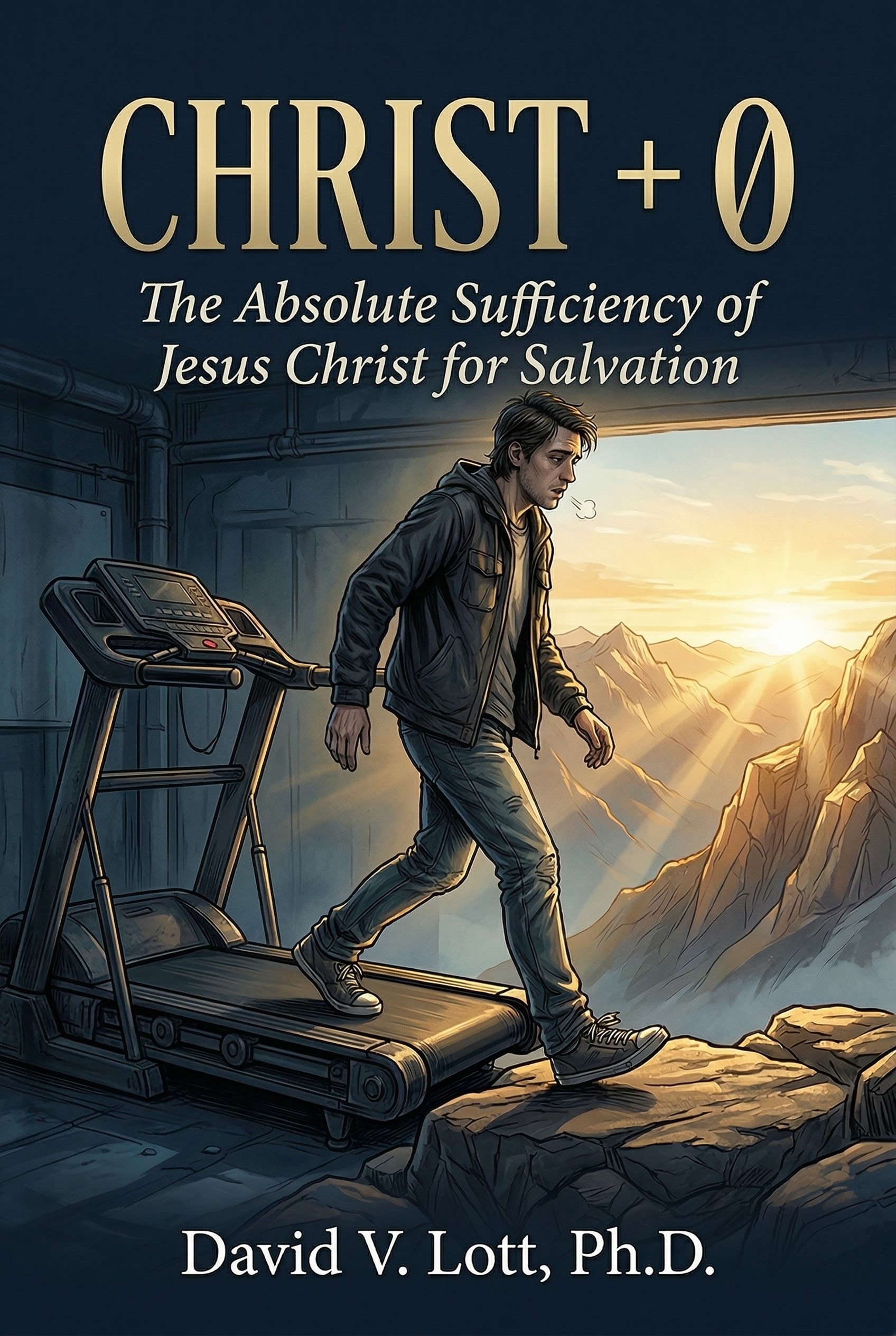
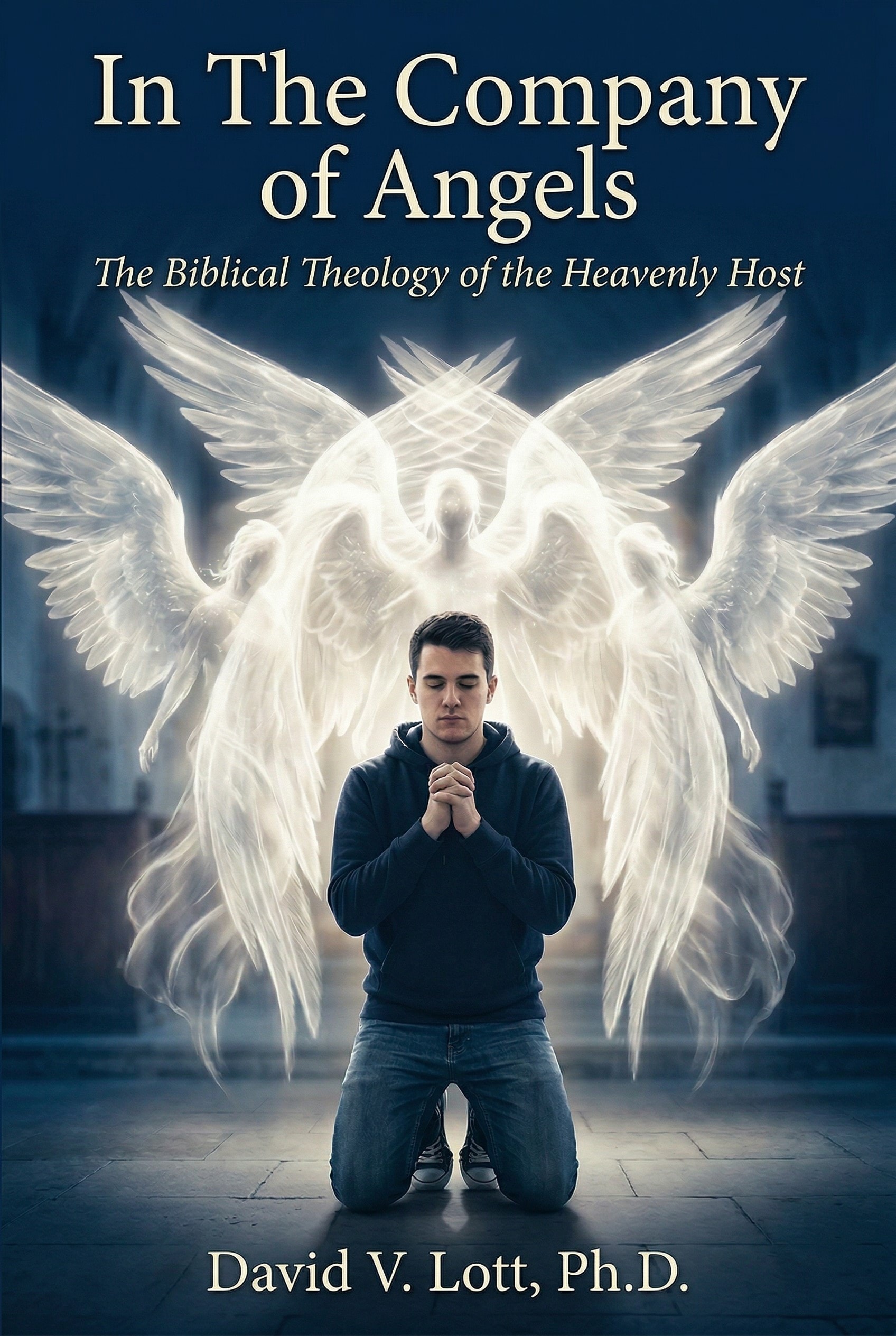
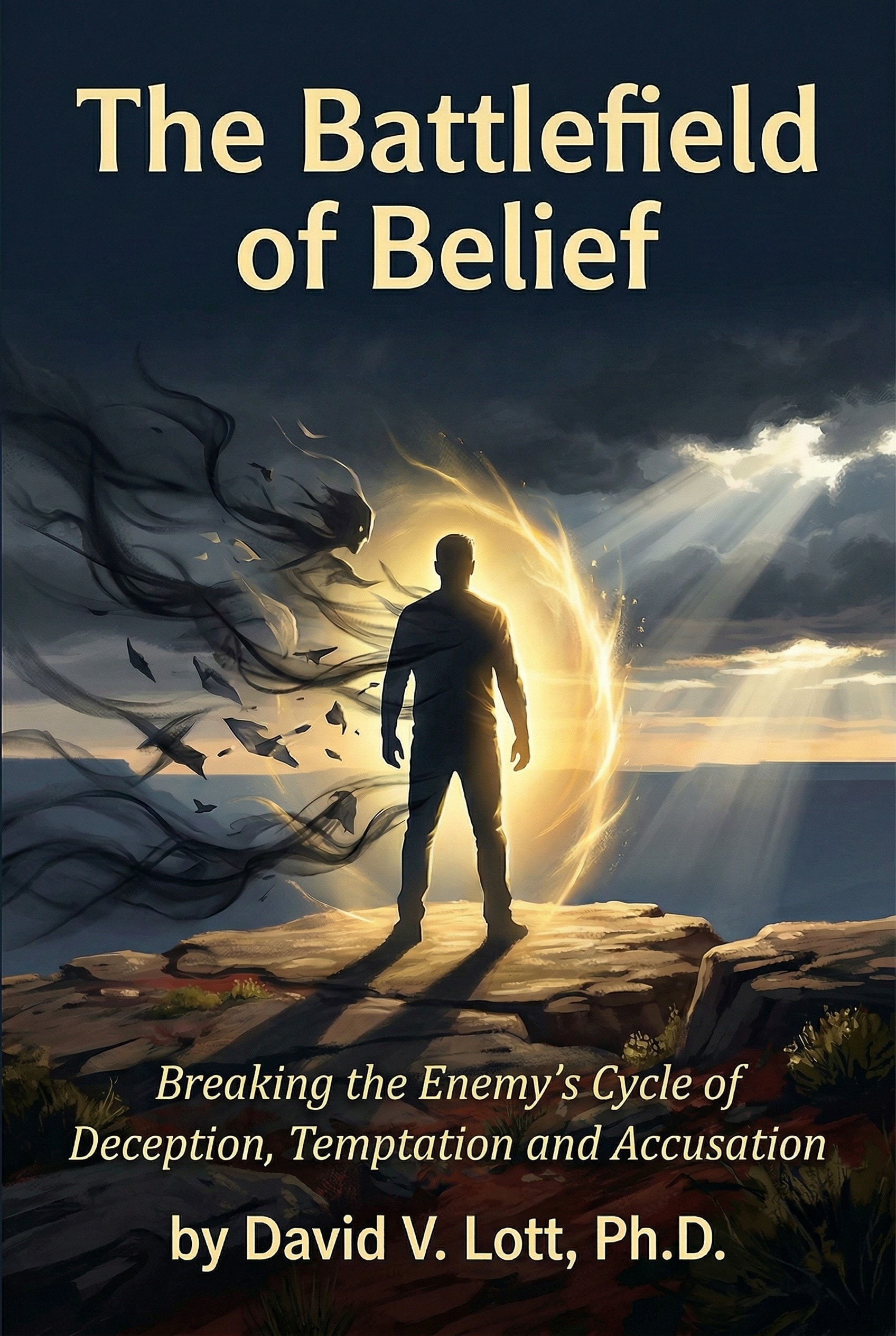
Born Into Victory occupies an important place within the larger Truths That Set You Free series. Christ + 0 establishes the absolute sufficiency of Jesus Christ for salvation. Once a Butterfly, Always a Butterfly considers the permanence of the life received through Him. Born Into Victory asks what has actually become true of the believer in Christ. I Am Enough! In Christ brings those truths into daily reflection, while The Battlefield of Belief examines the deception, temptation, and accusation that continually challenge believers to live as though those truths were not true.
Together, the books develop a single movement from the sufficiency of Christ toward the security, identity, and daily experience of the person who belongs to Him.

About the Book
Born Into Victory
Drop the Religious Checklist, 33 Positional Truths to Claim Your True Identity in Christ, and Finally Live the Life You Were Always Meant to Have
David V. Lott, Ph.D.
Truths That Set You Free
Born Into Victory examines thirty-three positional truths that describe what Scripture declares to be true of the believer because of his relationship with Jesus Christ. Beginning with the distinction between position and practice, the book explores how new birth, justification, reconciliation, forgiveness, union with Christ, the indwelling Spirit, adoption, security, and other dimensions of salvation establish an identity that rests upon God’s action rather than changing human performance.
The book does not minimize obedience or spiritual growth. Instead, it places them upon their proper foundation. Christian practice is intended to flow from Christian identity. As believers learn what God has already made true of them in Christ, they are increasingly able to abandon the exhausting attempt to earn acceptance and begin living from the grace, security, and identity they have already received.